“In India, too often we confuse luxury with standardisation, wildlife with safari and sustainability with austerity”
I could be in Wayanad or Ranthambore, but the minute I am back at the resort from my safari-punctuated day, I can’t tell the difference. As an avid traveller with a deep love for the wild, I felt we had been lulled into the familiarity of the safari-buffet-bed formula, with a pool thrown in. I wanted to create an experience that embodies the joys of the jungle beyond wildlife sightings; that is built to conserve natural resources; that transforms the local communities who have for generations protected these lands. And most of all, an experience that sees each guest as an individual with distinct tastes, and different reasons for each holiday.
“We weren’t building a resort,
we were sustaining a community.”


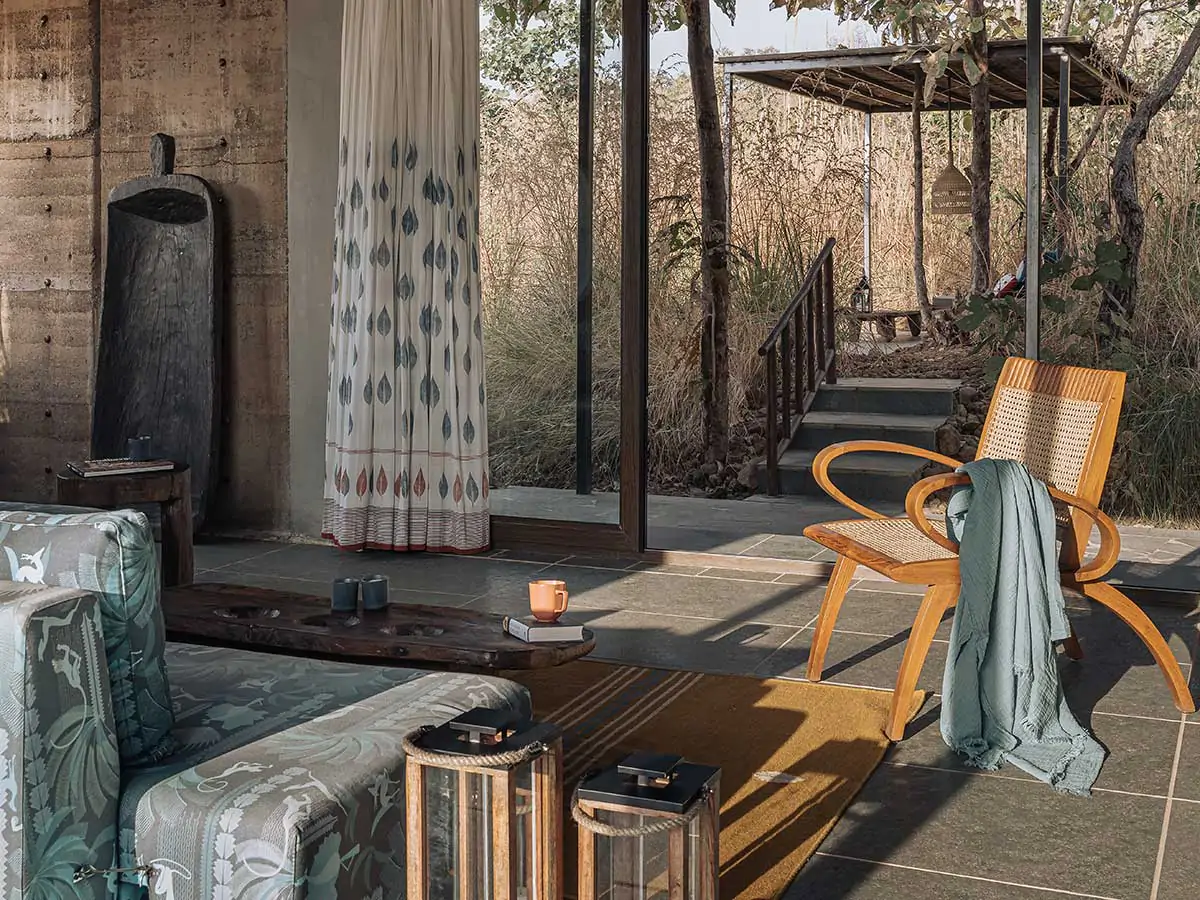
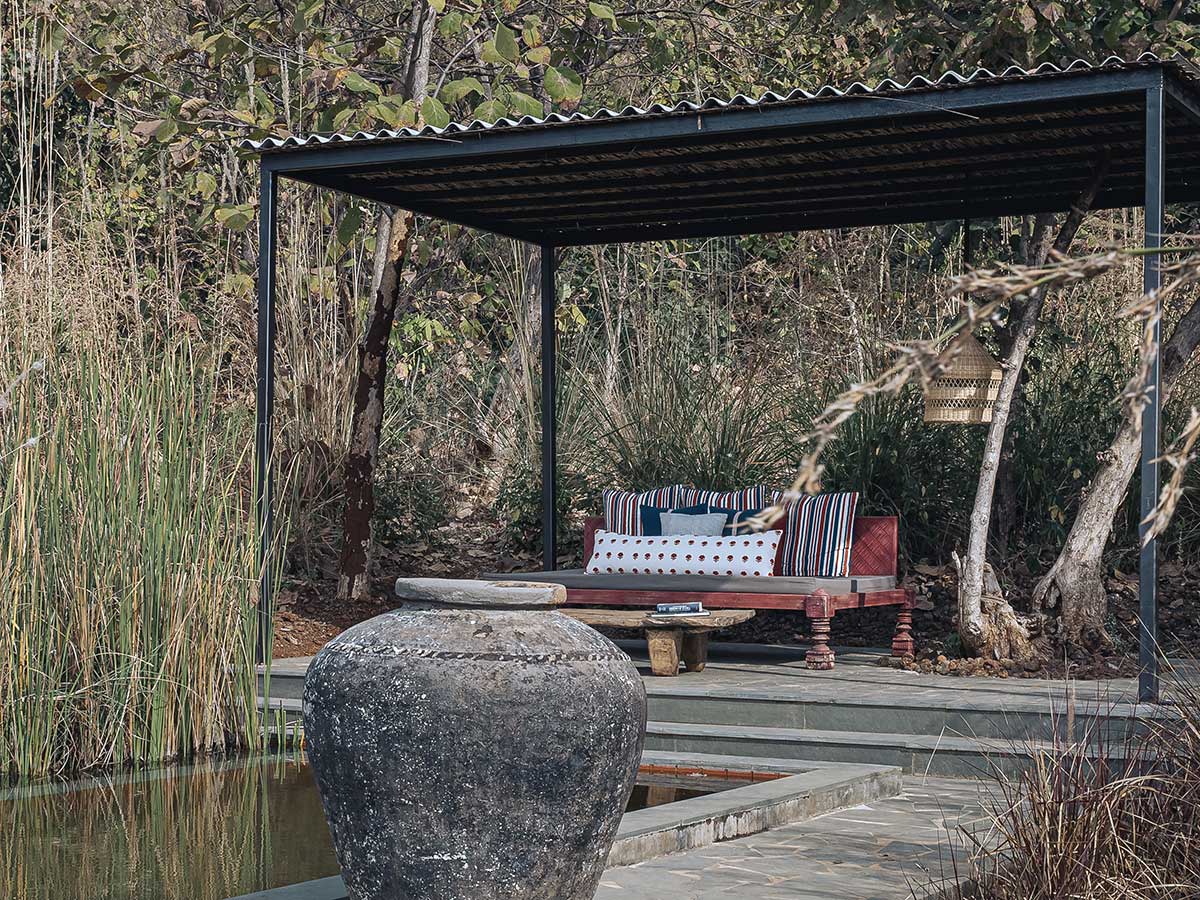
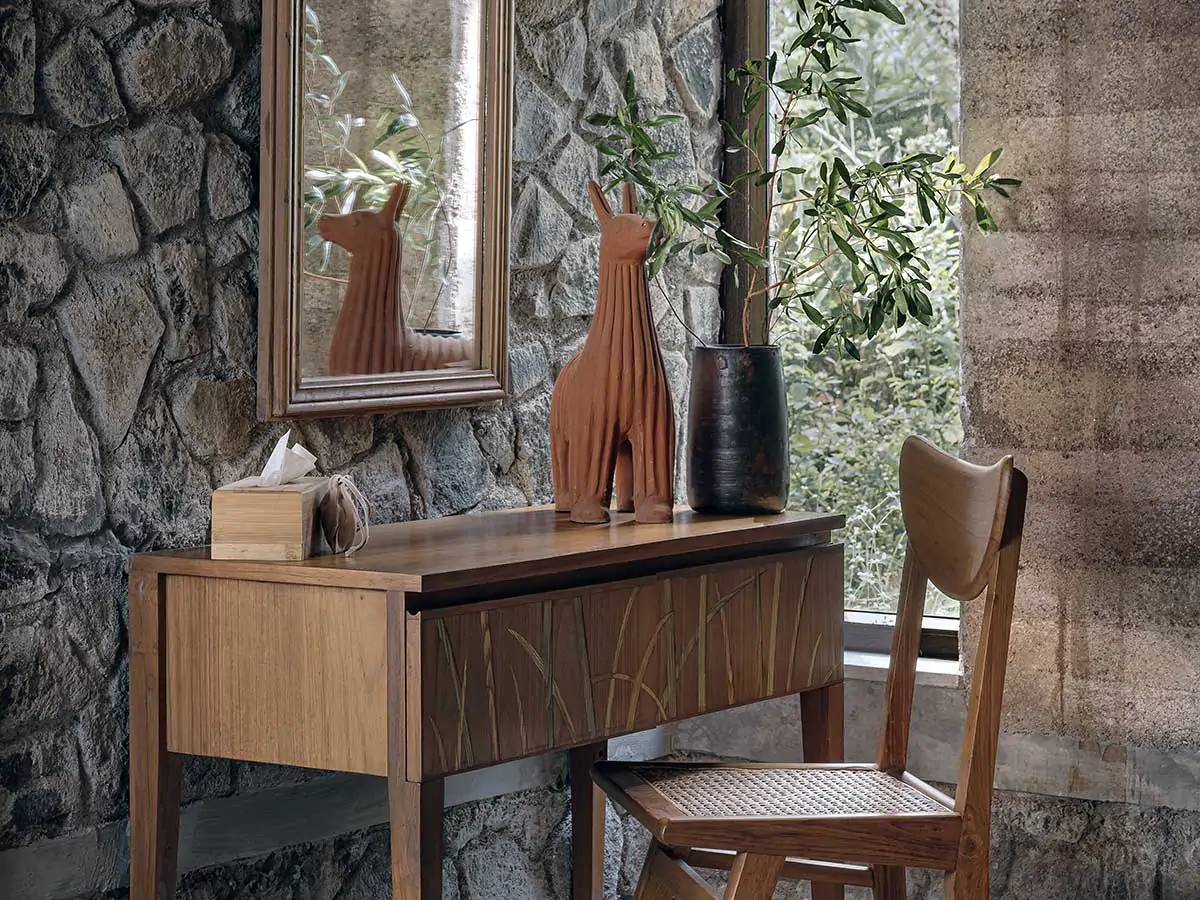
Usually you start with a plot of land. We began with a deeply held philosophy. Core to the design of Tipai is localization — because without that, you can’t hope to be sustainable. Whether it was the techniques we used, the material we built with or the people who built with us — they were all of this land. Working closely with the Institute of Village Sciences in the Gandhian town of Wardha (80 km from site), we researched various possibilities of low-impact construction. Drawing on local resources wherever possible meant building not just Tipai but the community around it, who are now the heart of our staff
“The women in my kitchen often don’t realise that the everyday things they cook are worth serving in a restaurant — and I want to change that”
At the heart of the three restaurants at Tipai is a deep desire to empower women; not just through employment, but by helping them see the beauty and power of the everyday things they do. The chutney they grind on a sil batta, the flatbreads they cook on coals, the instinctive understanding of flavour and fire they have honed from years of doing the most ‘simple’ thing—feeding their family. It’s not by accident that the kitchen at Palaash, our dinner-only restaurant in Tipai, is almost entirely run by women. While Palaash reimagines regional cuisines from Maharashtra, Madhya Pradesh, and Andhra Pradesh, the menus at Perch and Wadi travel the world. Made with produce from our kitchen garden and organic farms within the region, F&B at Tipai is a true celebration of this land.


Tipai has been built by forest village dwellers who have, for time immemorial, lived in harmony with nature. We take our choice of being in a region barely touched by tourism seriously.

Wildlife Luxuries is a sustainable travel and hospitality venture.
Wildlife Luxuries India © 2026
Website by Media Fusion

Overview

Into the Wild
Safaris, forest walks, lake evenings

Flavours of the Land
Chef-led dining,
farm-to-table,
immersive meals

The Art of Unwinding
Nature-led wellness, yoga, therapies, fitness