


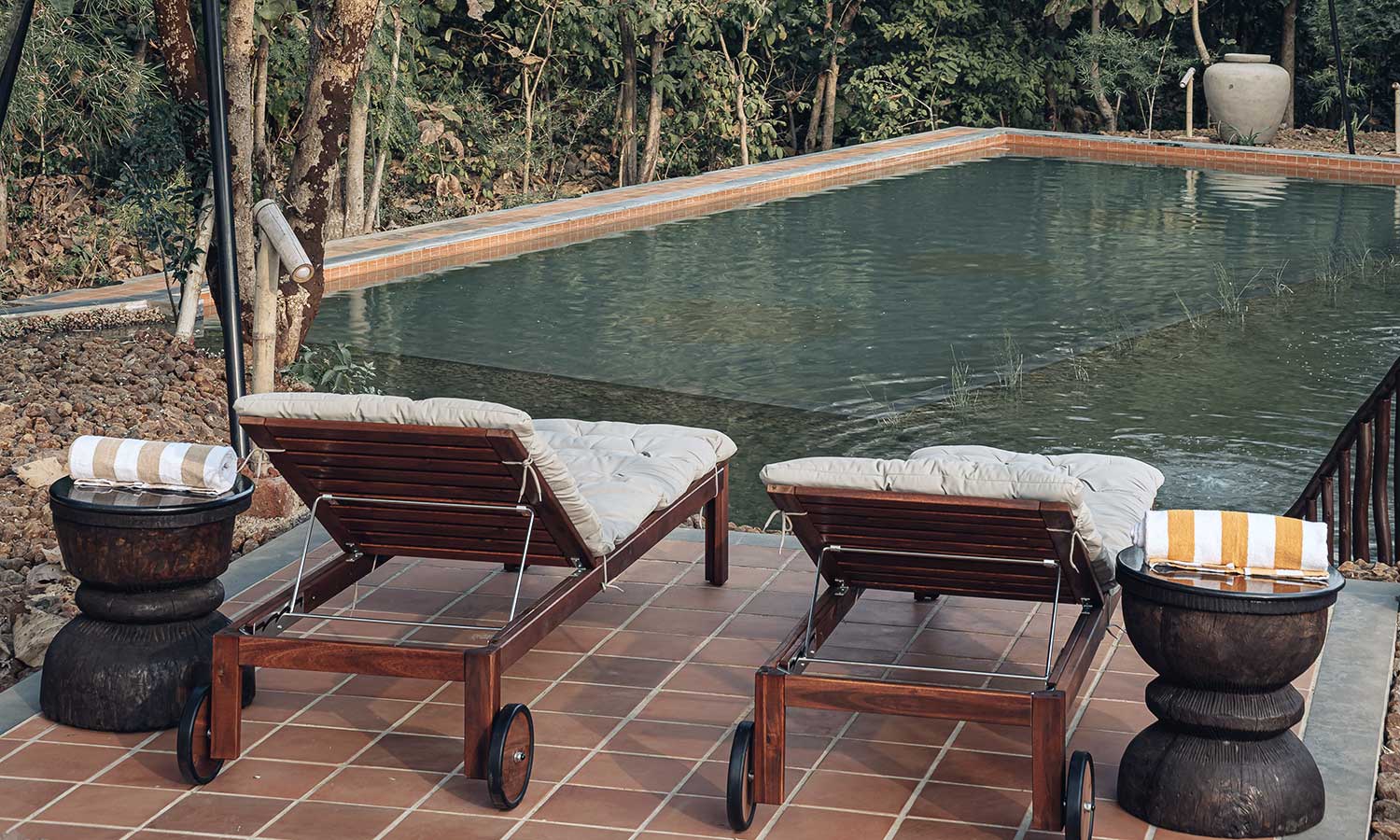
Swimming pools represent a standard luxury amenity in resort hospitality, yet conventional chlorinated pools create significant environmental and health concerns. Chemical consumption, energy requirements, and water pollution challenge sustainability claims of properties positioning themselves as eco-friendly. Bio-pools swimming facilities using biological filtration rather than chemical sanitation offer a viable alternative that eliminates these concerns while maintaining water quality standards and enhancing guest experience.
Wildlife Luxuries operates one of India’s few hospitality bio-pools, demonstrating how natural water treatment systems can meet luxury standards while significantly reducing environmental impact. Understanding bio-pool technology, benefits, and limitations helps evaluate whether this approach represents genuine innovation or merely marketing greenwashing.
Defining Bio-Pools: Natural Filtration Systems
Bio-pools (also called natural swimming pools, swimming ponds, or living pools) maintain water quality through biological and mechanical filtration processes rather than chemical disinfection. No chlorine, bromine, algaecides, or other synthetic chemicals enter the water. Instead, aquatic plants, beneficial bacteria, and physical filtration remove contaminants and prevent pathogen growth.
The technology originated in Austria and Germany during the 1980s when environmentalists sought swimming options that wouldn’t contaminate groundwater or require harsh chemicals. Early designs mimicked natural ponds with extensive planted areas. Over four decades, the technology has evolved into sophisticated systems used residentially, commercially, and in public facilities across Europe, with growing adoption in other regions. For travelers seeking authentic sustainability, it’s worth taking time to explore sustainable amenities at eco-luxury resorts that go beyond greenwashing to implement real environmental solutions.
Technical Components and Filtration Process
Bio-pools consist of interconnected zones with distinct functions:
The Two-Zone Design
Bio-pools consist of two interconnected zones:
- Swimming Zone (60% of total area) – Where guests actually swim – Deeper water (typically 1.5-2 meters) – No plants in this area – Lined with natural stone or gravel substrate
- Regeneration Zone (40% of total area) – Shallow planted area (0.3-0.5 meters deep) – Filled with aquatic plants (water lilies, rushes, reeds) – Acts as the pool’s biological filter – Gravel substrate houses beneficial bacteria
The Four-Stage Filtration Process
Here’s the genius part. Water circulates continuously from swimming zone to regeneration zone and back:
Step 1: Mechanical Filtration – Water passes through layers of gravel (various sizes) – Large particles (leaves, debris) get trapped – Think of it as a massive, gentle sieve
Step 2: Biological Filtration – Beneficial bacteria colonize gravel and plant roots – These bacteria break down organic matter (skin oils, sweat, etc.) – They convert harmful compounds (ammonia, nitrites) into harmless nitrates – Plants absorb nitrates as fertilizer
Step 3: Phytoremediation – Aquatic plants pull excess nutrients from water – They oxygenate water through photosynthesis – Root systems provide surface area for even more beneficial bacteria – Plants outcompete algae for nutrients, preventing algae blooms
Step 4: UV Sterilization (optional) – Some bio-pools add a UV lamp as final step – Kills any remaining pathogens without chemicals – Wildlife Luxuries uses this as backup for guest peace of mind
The entire process mimics natural wetlands and ponds, the same self-cleaning systems that have kept Earth’s freshwater bodies clean for millions of years.
This is because chlorine and its byproducts irritate mucous membranes. Natural water doesn’t.
Biodiversity Contribution
Unlike conventional pools that serve no ecological function, bio-pools create habitat and ecosystem services:
Wildlife Support: Dragonflies, damselflies, water beetles, and other aquatic insects colonize regeneration zones. These species serve as mosquito predators and food sources for birds.
Pollinator Resources: Flowering aquatic plants provide nectar sources for butterflies and native bees.
Bird Habitat: Water birds utilize pool edges for drinking and bathing, contributing to overall property biodiversity.
Educational Value: Guests observe functional ecosystems, enhancing environmental awareness and appreciation.
For eco-resorts like Wildlife Luxuries near protected areas, creating additional wildlife habitat through infrastructure aligns facilities with conservation mission and shows how to discover how eco-resorts balance luxury and sustainability without compromise.
The Economics: Why Don’t More Resorts Have Bio-Pools?
If bio-pools are so great, why aren’t they everywhere? The answer is complex, combining initial costs, knowledge gaps, and regulatory challenges.
Maintenance Requirements and Procedures
Bio-pool maintenance differs from conventional pools, requiring horticultural knowledge alongside pool management:
Daily Maintenance (15-20 minutes)
- Visual water clarity inspection
- Surface debris removal (leaves, insects)
- Water level check and top-up if needed
- Plant health observation
Weekly Maintenance (1-2 hours)
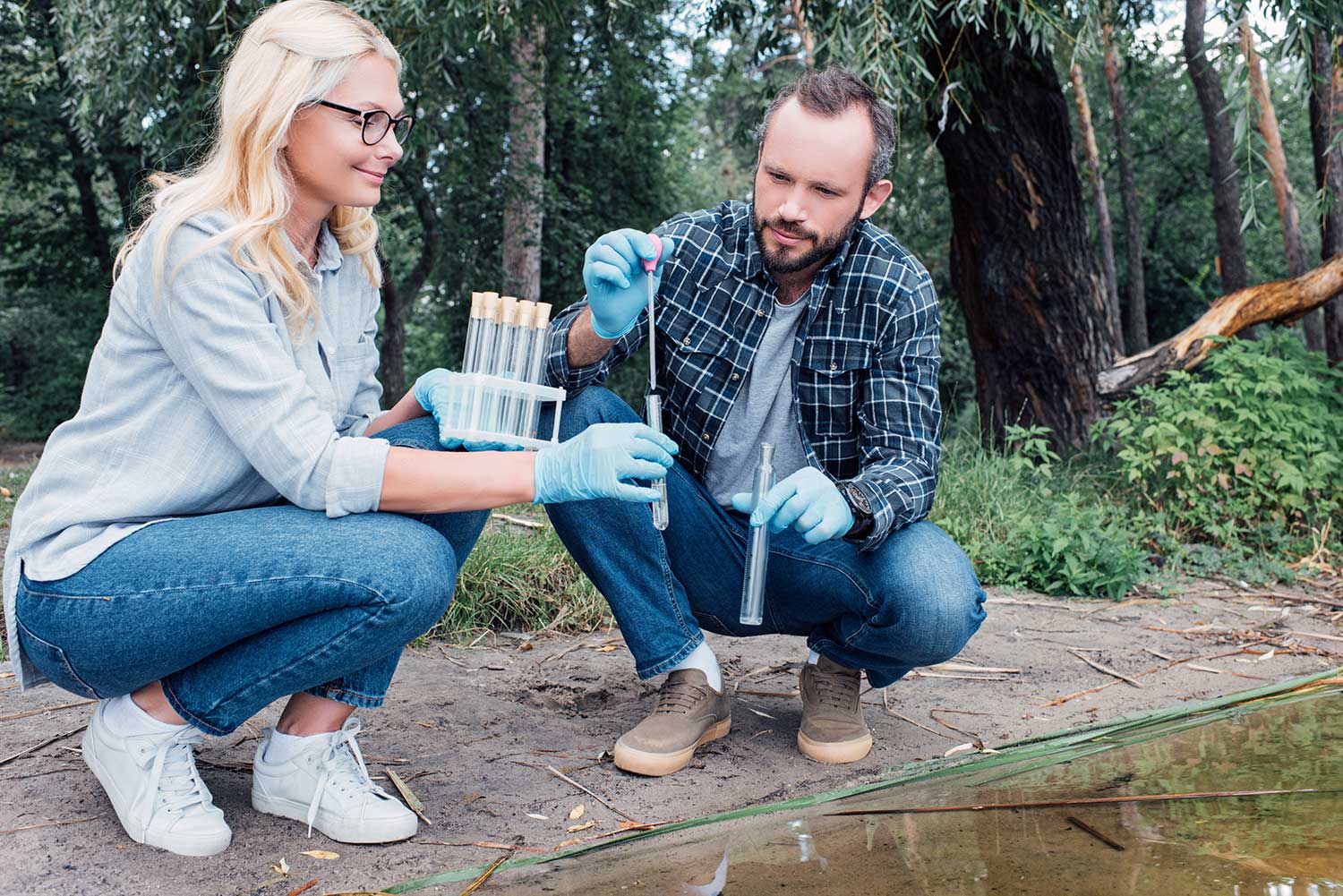
- Water quality testing (pH, dissolved oxygen, bacterial count)
- Plant pruning if excessive growth occurs
- Pump and circulation system function check
- Gravel bed surface cleaning if debris accumulates
Monthly Maintenance (2-3 hours)
- Comprehensive water quality analysis
- Plant fertilization if nutrient levels drop excessively
- Regeneration zone gravel inspection
- Beneficial bacteria supplement if biological activity indicators weaken
Seasonal Maintenance (2-3 times annually)
- Major plant pruning and thinning
- Gravel excavation and cleaning (if sediment accumulation occurs)
- Winter preparation (in climates with freezing, not applicable Maharashtra)
- System assessment and adjustment
Maintenance emphasizes biological observation and ecosystem balance rather than chemical adjustment. Staff requires training in aquatic plant care and basic water ecology, representing skill shift from conventional pool management.
Addressing Common Concerns and Misconceptions
Won’t algae take over without chlorine?
Properly balanced bio-pools resist algae because aquatic plants outcompete algae for nutrients. Algae blooms occur when excess nutrients (nitrates, phosphates) exist without plants to consume them. In bio-pools, aggressive plant growth prevents algae establishment.
Conventional pools experience algae when chlorine levels drop then require chemical “shock treatment” to kill blooms. Bio-pools prevent algae ecologically rather than fighting constant chemical battles.
Doesn’t it breed mosquitoes?
Water circulation prevents mosquito breeding. Mosquito larvae require still water for 5-7 days to complete development. Bio-pool water circulates completely every few hours, preventing larval maturation.
Additionally, dragonflies and damselflies that colonize bio-pools are voracious mosquito predators both as adults and as aquatic nymphs. The ecosystem naturally controls potential mosquito issues.
Is it safe for children and immunocompromised guests?
Water quality testing at bio-pools often exceeds drinking water standards. The UV sterilization backup at Wildlife Luxuries provides additional safety margin. Research from European public swimming facilities using bio-pool technology shows safety records equal to or better than conventionally chlorinated pools.
However, reasonable precautions apply to any swimming: supervision for children, no swimming during illness, showering before pool use to minimize organic load.
What about maintenance complexity?
Maintenance differs from conventional pools but isn’t necessarily more complex it’s different complexity. Chemical pool maintenance requires precise dosing, frequent testing, handling hazardous materials, and troubleshooting chemical imbalances.
Bio-pool maintenance requires understanding biological systems, plant health, and ecological balance. For staff with gardening or ecological backgrounds, this proves intuitive. For those trained only in chemical pool management, retraining is necessary.
Can bio-pools work in India’s climate?
Bio-pools function excellently in tropical and subtropical climates. Warm temperatures accelerate beneficial bacteria activity biological filtration actually works better in warm climates than cold regions.
The main challenge involves selecting plant species adapted to specific regional climate. Maharashtra’s climate supports numerous aquatic plant species suitable for bio-pool applications. Wildlife Luxuries worked with wetland ecologists to identify optimal species for local conditions.
Bio-Pools vs. Alternative “Natural” Pool Technologies
Terminology confusion exists in pool marketing. Several technologies claim “natural” or “reduced chemical” status. Understanding differences clarifies what constitutes genuine bio-pool technology:
Salt Water Chlorination
Process: Electrolysis converts salt to chlorine, which sanitizes water.
Reality: Still uses chlorine just generated on-site from salt rather than added directly. Water contains comparable chlorine levels to conventional pools. Milder than direct chlorine addition but not chemical-free.
Not a bio-pool.
Ozone Treatment
Process: Ozone gas sanitizes water as powerful oxidizer.
Reality: Reduces chlorine requirements by 60-80% but typically combines with low-level chlorine. Equipment-intensive. Better than full chlorination but still involves chemical addition and mechanical oxidation.
Not a bio-pool.
UV Sanitization Alone
Process: Ultraviolet light kills pathogens in water flowing through UV chamber.
Reality: Effective point-treatment but provides no residual sanitation. Often combined with low chlorine levels (0.5-1 ppm). UV-only systems exist but remain rare and require perfect maintenance.
Not a bio-pool unless combined with biological filtration.
True Bio-Pools
Process: Biological filtration through bacteria and plants, mechanical filtration through gravel, optional UV backup.
Reality: Zero chemicals in primary treatment. UV backup (if used) doesn’t create chemical residues. Closest technology to swimming in clean natural pond.
Genuine bio-pool: Wildlife Luxuries’ system qualifies as authentic bio-pool implementation. The bio-pool serves guests staying in the resort’s luxury pool villas, providing a chemical-free swimming experience integrated with the property’s sustainable design.
Planning to Experience Bio-Pool Swimming

Ready to experience chemical-free swimming at Wildlife Luxuries? Here’s what you need to know to make the most of your bio-pool visit.
Best Times for Swimming
Summer (March-May): Peak appreciation time. The bio-pool is a refuge from 40°C heat. Water temperature is perfect (25-28°C).
Monsoon: Park closed, but imagine swimming in warm rain surrounded by forest magical when you visit off-season.
Winter (November-February): Cooler air temps (20-25°C) but water stays pleasant due to thermal mass. Morning swims are invigorating.
What to Bring
- Biodegradable sunscreen (standard sunscreens can disrupt pool biology)
- Rash guard or swim shirt (sun protection without sunscreen)
- Waterproof camera (you’ll want photos of the regeneration zone plants)
- Snorkel and mask (great for observing underwater gravel filtration if you’re curious)
Pool Etiquette
- Shower before swimming (removes oils, lotions that add organic load)
- No soap/shampoo products (even biodegradable ones)
- Don’t pick regeneration zone plants (they’re working hard)
- Observe but don’t disturb wildlife visiting pool edge
Maximize Your Experience
- Swim during golden hour (6-7 AM or 5-6 PM) for best light on regeneration zone
- Ask for a pool tour from maintenance staff they love explaining the system
- Spend time observing the regeneration zone ecology between swims
- Float and stargaze at night (if property allows evening pool access)
Conclusion: Redefining Sustainable Luxury
Bio-pools demonstrate how thoughtful technology substitution can eliminate environmental harm while maintaining and often enhancing guest experience quality. The technology represents genuine sustainability rather than superficial “green” marketing.
For properties genuinely committed to environmental stewardship, bio-pools align infrastructure with stated values. The visible, tangible nature of bio-pool sustainability allows guests to experience environmental benefits directly rather than reading about abstract claims.
As hospitality industry faces increasing scrutiny regarding environmental claims, bio-pools offer verifiable, measurable sustainability credentials. Water testing results, zero chemical consumption, dramatic energy reduction, and enhanced biodiversity provide quantifiable proof of environmental commitment.
The technology isn’t universally appropriate urban properties with limited space, facilities requiring extremely cold water, or markets expecting conventional pool experiences may find bio-pools impractical. However, for eco-resorts, wildlife lodges, and sustainability-focused properties in suitable climates, bio-pools represent optimal balance of guest experience, environmental responsibility, and long-term economic sense.
Wildlife Luxuries’ successful implementation demonstrates bio-pool viability in Indian hospitality context. As more properties witness operational success, expect gradual technology diffusion throughout sustainable tourism sector.





